

In higher education, students often complete an assessment, submit it, receive a grade, and then move on. Academics evaluate and mark the work, offer feedback, and focus on the next task. The assessment has effectively fulfilled its purpose: generating evidence, informing judgments, and contributing to the final results. But has […]
Academic Identity & Professional Learning - Reflections & Provocations - Student Learning & Engagement - Teaching Practice

If Every Class Looks the Same, Are We Really Teaching?
During professional learning sessions with university educators, a familiar phrase keeps coming up: “We have to deliver the content.” It often surfaces when staff describe teaching a unit designed by someone else, especially when the slides, activities, resources and weekly sequence have already been prepared. For sessional educators and less […]
Innovation & Future of Higher Education - Student Learning & Engagement
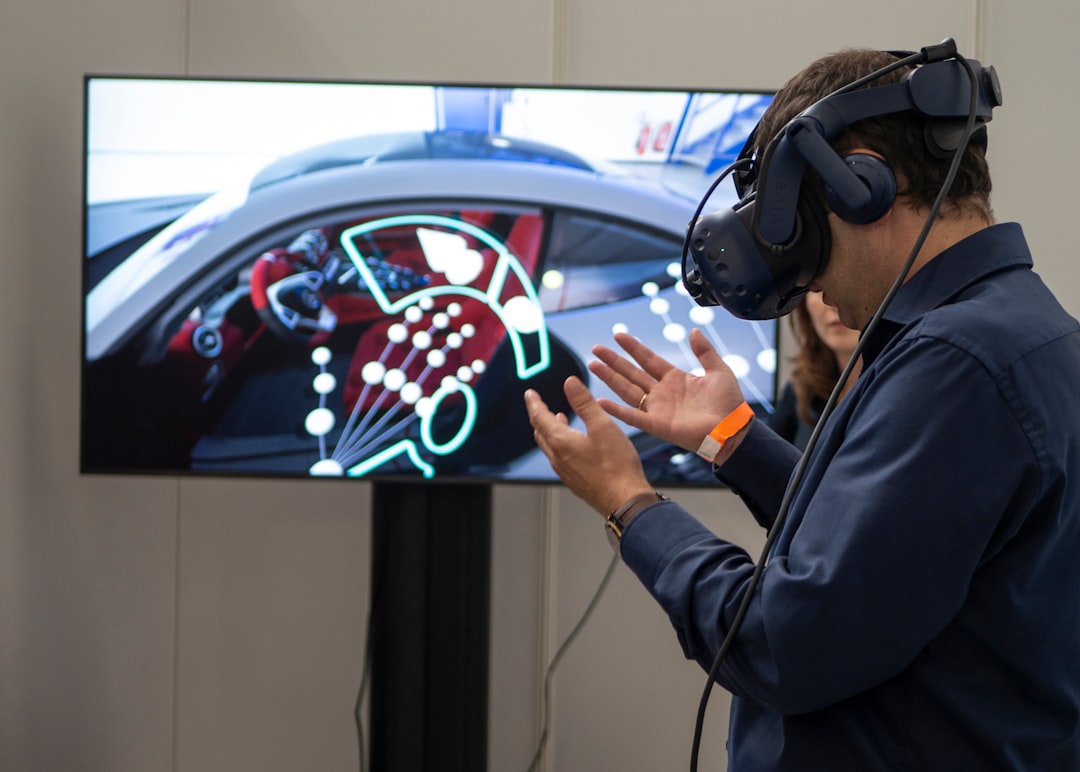
The Growing Accessibility of VR Cinema and Virtual Environments in Education
A Technology Whose Time May Finally Have Arrived Imagine taking students to Ancient Rome in the morning, visiting a hospital ward after lunch, and exploring a future city shaped by climate adaptation before the end. For many educators, these experiences once seemed unfeasible. However, advancements in technology, such as 360-degree […]
Innovation & Future of Higher Education - Student Learning & Engagement
Innovation in Higher Education: Beyond Technology and Buzzwords
Innovation Everywhere, Definition Nowhere “Innovation” is a commonly used term in higher education, appearing in strategic plans, mission statements, conference themes, funding proposals, and meetings. Universities often market themselves as innovative, educators are encouraged to adopt innovative practices, and students are promised innovative learning experiences. Despite this frequent usage, the […]
Innovation & Future of Higher Education - Reflections & Provocations - Student Learning & Engagement - Teaching Practice

The LMS Divide: Should Online and In-Person Students Have Different Access?
The LMS as a Repository…or a Learning Environment Historically, the LMS often served as a storage space. The “real” teaching happened in the classroom, while the LMS acted as an administrative support system around it. That distinction is no longer as clear. Today, the LMS determines how students navigate units, […]