If Assessment Ends at the Grade, What Was It For?

In higher education, students often complete an assessment, submit it, receive a grade, and then move on. Academics evaluate and mark the work, offer feedback, and focus on the next task. The assessment has effectively fulfilled its purpose: generating evidence, informing judgments, and contributing to the final results. But has it actually contributed to the…
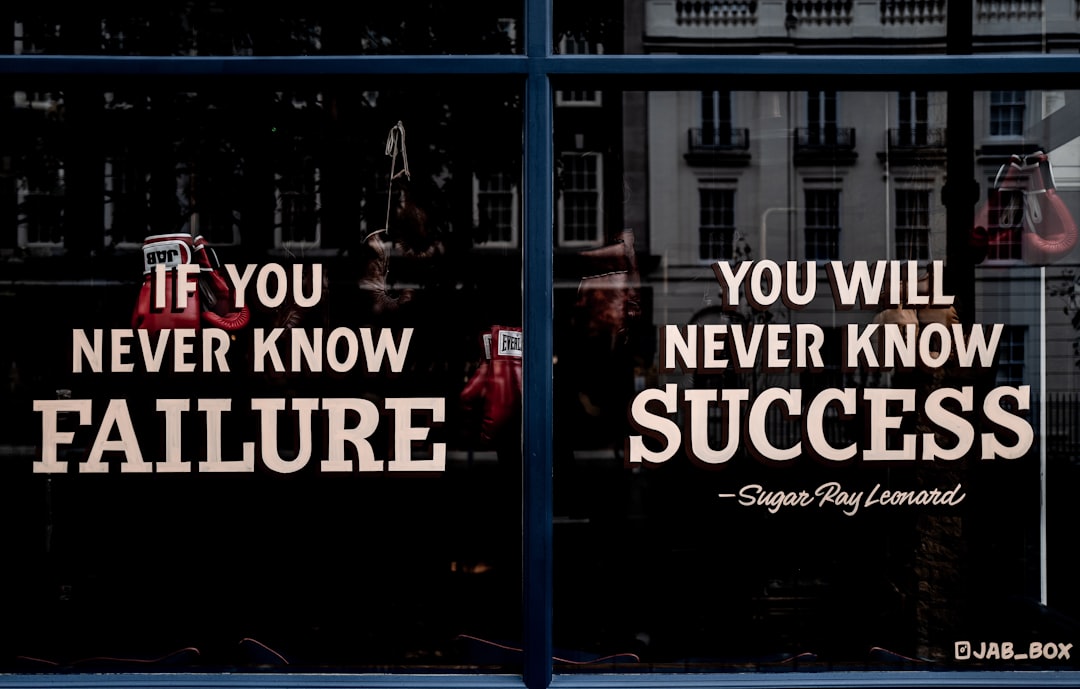

What If Failure Isn’t Failure? Rethinking Learning in Higher Education

Watch anyone engaged in genuine learning, whether it’s a child wobbling on their bike, a filmmaker wrestling with an edit, or a student drafting an essay, and one thing becomes clear: learning is messy. It’s tangled, unpredictable, and full of false starts. The progress of learning never moves in a straight line. Instead, it loops, dips,…

Seeing the Thinking: What Creative Arts Assessment Practices Can Offer Other Disciplines

Generative AI has forced higher education into a renewed conversation about assessment, which has been long overdue. Universities and educators are now asking familiar assessment questions with urgency: What exactly are we assessing? How do we recognise evidence of student thinking? And what does authentic learning look like when polished outputs can be generated in seconds? The…

When Did Learning Stop Being the Real World?

The phrase “in the real world” is often used in higher education. Educators use it to inspire students, while industry partners critique courses with it. It’s spoken casually, as if its meaning is clear and universally accepted. In the classroom, phrases such as “in the real world……………..(fill in the blank)” may be familiar. These remarks…

Not Reinvention, but Intention: Beginning a New Teaching Year

The beginning of a new year always invites reflection. Fresh diaries. Clean calendars. The quiet promise that things might feel a little different this time around. In Australia, that sense of renewal holds extra significance because a new year also marks the start of a new teaching year. New classes. New cohorts. New groups of…