

Higher education frequently treats grades as exact indicators of learning. For example, one student might get 74%, while another earns 75%. Similarly, one might be awarded a Credit and the other a Distinction. Transcripts, GPA calculations, scholarship rankings, and postgraduate admissions all operate under the assumption that these distinctions are […]
Academic Identity & Professional Learning - Assessment & Feedback - Innovation & Future of Higher Education - Reflections & Provocations - Student Learning & Engagement - Teaching Practice
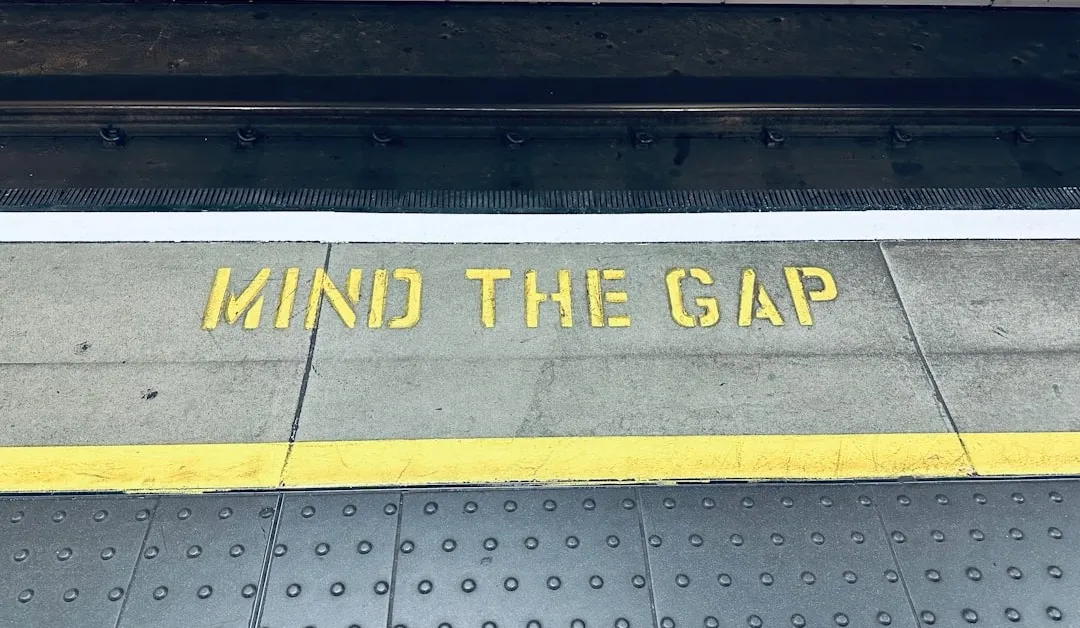
Closing the Gap Between Learning Outcomes and Student Learning in Higher Education
Learning outcomes remain central to our courses. They influence course proposals, underpin accreditation documents, guide course reviews, and enable curriculum mapping across units and assessments. Institutionally, they are vital. They ensure coherence, provide reassurance, and uphold accountability. They enable us to confidently articulate what a graduate of a specific course […]
Assessment & Feedback - Innovation & Future of Higher Education - Reflections & Provocations

When Did Learning Stop Being the Real World?
The phrase “in the real world” is often used in higher education. Educators use it to inspire students, while industry partners critique courses with it. It’s spoken casually, as if its meaning is clear and universally accepted. In the classroom, phrases such as “in the real world……………..(fill in the blank)” […]
Academic Identity & Professional Learning - Assessment & Feedback - Teaching Practice

Who Are You When You Assess? Understanding Teacher Assessment Identity in Higher Education
Assessment in higher education is often treated as a technical skill. Something we learn by following templates, applying rubrics, and adhering to policies. However, beneath these processes lies something far more influential: our Teacher Assessment Identity, or TAI. This identity shapes how we interpret student work, design assessments, give feedback, […]
Innovation & Future of Higher Education - Reflections & Provocations - Student Learning & Engagement

Beyond the Algorithm: How Do We Bring Higher Education Back to the Learning?
For me, it feels as though AI has become the focal point in higher education. Every conference, workshop, and committee meeting now appears to revolve around the same question: What does/will AI mean for…? Then fill in the blank with anything from teaching, assessment, academic integrity, or any other education […]