Beyond the Dropbox: Why Student Work Deserves an Audience
What Happens After Assessment?
Each semester, students generate a remarkable volume of work. They craft business proposals, carry out research projects, design lesson plans, develop solutions, analyse data, build prototypes, implement community initiatives, and produce creative outputs. In higher education, students contribute significantly to a vast repository of knowledge, innovation, and professional activities.
Yet much of this work follows a familiar path. It is uploaded to a learning management system, reviewed by an educator, graded, and then effectively disappears.
For many students, their work is mainly evaluated by a single academic assessor. After the assessment is finished, the work is rarely revisited, discussed, or shared. This prompts an important question: what becomes of student work after it has been assessed?
Too often, the answer is nothing.
In an era where universities focus more on authentic learning, employability, and real-world impact, this seems like a missed opportunity. If higher education aims to prepare students for professional practice, we should also consider whether assessment should be the ultimate endpoint of student work.
Assessment Is Not the Same as Outcome
Assessment plays an essential role in higher education. It provides evidence of learning, supports feedback, and enables educators to make informed judgements about student achievement. However, assessment and outcomes are not the same thing.
In professional settings, work is rarely created just for assessment. Teachers develop resources for learners, researchers publish findings, engineers create solutions for real-world issues, health professionals convey recommendations, and businesses prepare proposals for clients and stakeholders. In all these cases, the work extends beyond just being evaluated.
Yet many university assessments are mainly created to meet specific requirements instead of engaging a wider audience, community, or ongoing dialogue. Consequently, assessment often ends up being the final step in learning rather than just one part of a broader cycle of sharing, contributing, and participation.
The Power of an Audience
A key difference between assessment and public outcomes is the audience. When students know only their educator will review their work, they tend to concentrate on fulfilling assessment criteria and meeting marking standards. Although understandable, this can sometimes unintentionally limit the broader purpose of the task.
Public outcomes have the potential to alter this dynamic. When students know that their work could be seen by peers, community organisations, industry partners, future employers, alumni, or a wider audience, they tend to approach the task differently. They become more mindful of how they communicate, present their ideas, and focus on accuracy and relevance. Students begin to consider not just what they want to communicate, but also who they are addressing and why their message is important.
Importantly, this extends beyond motivation alone. It also relates to identity. Public outcomes can assist students in viewing themselves not just as learners completing assessments but as emerging professionals who can contribute to their discipline, profession, or community. The work transforms from merely an assignment into a meaningful contribution.
Public Outcomes Are Not Just for Creative Disciplines
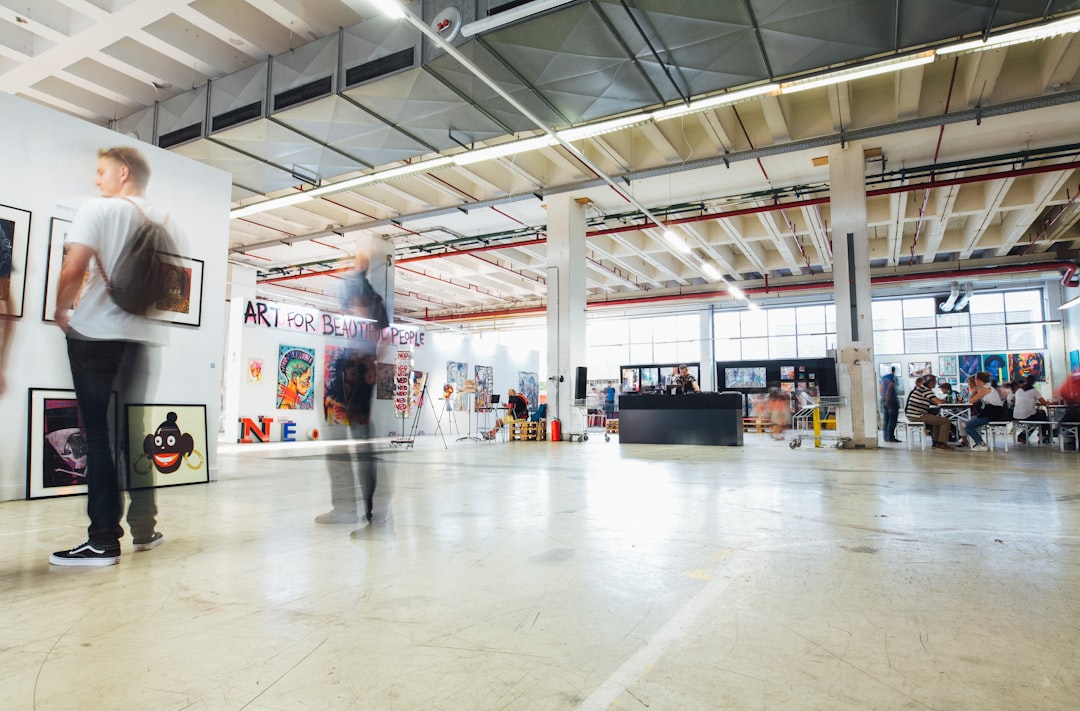
When discussions focus on public outcomes, creative disciplines naturally offer clear examples. Art students showcase their work. Design students display portfolios. Media students screen productions. Performing arts students put on public performances. These traditions have long recognised the value of sharing work with audiences outside the classroom.
Even in creative fields, public recognition isn’t assured. Many artworks go through a similar process as assessments in other disciplines: they are submitted, graded, and rarely seen again. While exhibitions, screenings, showcases, and performances can serve as impactful learning experiences, their success often relies on resources, staff dedication, institutional backing, and available opportunities within programs. Consequently, many students finish creative degrees without frequently sharing their work outside the classroom.
The challenge extends beyond non-creative disciplines and is a wider issue for higher education overall. How can institutions foster more opportunities for students to experience, discuss, and value their work beyond traditional assessments?
Business students might present solutions to industry partners, nursing students could showcase quality improvement projects, education students may publish teaching resources, environmental science students could communicate findings to local communities, engineering students might demonstrate prototypes, law students may present advocacy projects, and research students can contribute to public scholarship initiatives.
The core idea stays consistent across disciplines: student work transforms into something that is shared, experienced, discussed, and valued beyond just the assessment process.
Creating Meaning Beyond the Grade
One of the most powerful aspects of public outcomes is the sense of purpose they foster. Students often invest significant time and effort in assessment tasks. Yet many feel a sense of finality once the work is submitted. The work disappears into a digital dropbox, receives a grade, and is rarely seen again.
Public outcomes can shape that experience. When students know their work will be exhibited, presented, published, showcased, or shared, they often see a clearer connection between their effort and its impact. The work shifts from being merely an assessment task to a meaningful contribution.
For many students, this fosters a stronger sense of pride, ownership, and accomplishment. It reinforces the idea that their work has value beyond meeting assessment requirements and can contribute to broader conversations, communities, and professional practice.
Beyond Physical Showcases
Traditional showcase events continue to be important. Exhibitions, conferences, presentations, demonstrations, industry nights, and similar events offer opportunities for celebration, networking, and engagement. They enable students to showcase their work, get feedback, and connect with broader communities.
However, they also face limitations. Attendance is restricted by location, making it difficult for some potential employers to attend. Family members may reside interstate or overseas. Industry partners often have busy schedules. As a result, the audience is limited to those who can be physically present at a specific time and place.
Digital technologies are increasingly offering alternative ways for students to showcase their work. Online displays, digital portfolios, virtual galleries, immersive exhibitions, and virtual environments enable student projects to reach wider audiences. These methods improve accessibility and ensure that student work stays visible well beyond the event itself.
Years ago, I developed the Metabitions project (https://www.spatial.io/s/McDonalds-Lunar-New-Year-Experience-63bb3736f2513ed236ed3162?share=2851783860039212846) to explore virtual environments as platforms for displaying student work. The virtual exhibition was beneficial, especially for its ability to serve as a lasting digital archive. Unlike physical exhibitions, which might last only a few hours or days, digital displays can continually engage audiences over months or even years. This allows family members, alumni, industry professionals, and potential employers to view student work no matter where they are.In this sense, digital spaces become more than showcase environments. They become archives of learning and achievement.
Networking, Visibility, and Opportunity
Public outcomes also open opportunities that go beyond just learning. Students gain experience in presenting their work, build confidence in sharing their ideas, and interact with professionals, peers, and community members.
In some cases, these interactions can lead to internships, collaborations, employment opportunities, or further professional engagement. Not every showcase will result in a job offer, but each opportunity to connect students with wider audiences increases the visibility of their work and expands their professional networks.
For students preparing to enter increasingly competitive employment markets, these opportunities can be invaluable. A showcase, presentation, publication, or portfolio may become more than evidence of learning. It may become the beginning of a professional conversation.
Showcasing the Value of Learning
Each year, students develop innovative projects, thorough research, creative solutions, community efforts, and professional-grade work. These achievements showcase not just student learning, but also the effectiveness of teaching, curriculum development, industry partnerships, and overall educational quality within the program.
Universities frequently dedicate considerable effort to marketing campaigns, promoting new teaching models, articulating graduate attributes, and highlighting the value of their educational programs. Although these efforts are important, they are often overshadowed by the impact of the work students produce themselves, which can serve as the most powerful form of promotion.
A student project, research output, community initiative, prototype, performance, or portfolio provides tangible evidence of what learning looks like in practice. It moves beyond institutional claims, enabling prospective students, industry partners, and the broader community to see educational outcomes for themselves.
In this way, student work frequently serves as the most genuine proof an institution can offer of the learning occurring in its courses.
Supporting Students to Build Their Own Legacy
While institutions can offer valuable opportunities through exhibitions, showcases, presentations, and public events, it is also important to consider a broader question: what becomes of student work after graduation?
Many students graduate after completing numerous assessments, projects, presentations, and professional activities. However, much of this work stays confined within institutional systems, which they can no longer access after finishing their studies.
If we truly believe that student work holds significance beyond just assessment, institutions should also think about how students can preserve, organise, and showcase their learning evidence over time.
Digital portfolios offer a possible solution. A well-designed portfolio enables students to document their learning journey, showcase selected examples of their work, reflect on their development, and present evidence of their capabilities to future employers and professional networks.
Importantly, portfolios are valuable beyond creative fields. Every graduate has stories to share, problems solved, and evidence of their skills. A portfolio turns assessment from separate tasks into a cohesive story of learning, achievement, and development.
Ultimately, the most meaningful evidence of learning might not appear on a transcript. Instead, it can be seen in students’ work, the obstacles they overcome, and their contributions during their studies.
Beyond Assessment
Higher education often treats assessment as the final step in learning. However, some of the most significant educational experiences happen when students apply their work outside of assessment and into real-world contexts.
Public outcomes highlight that learning goes beyond just showing knowledge to an educator. It involves sharing ideas, contributing to communities, engaging with professional audiences, and participating in larger discussions. These outcomes give students chances to interact with real audiences and also offer institutions compelling examples of the learning, creativity, and professional skills they foster through their programs.
Not every assessment requires a public outcome, nor should it. Still, every program might consider whether there are chances for student work to have a life beyond just the grade.
After all, some of the most valuable work students produce deserves more than a mark in a gradebook. It deserves an audience.
Questions for Reflection
If student work holds value beyond just assessment, what obligation do institutions have to ensure it is shared, celebrated, and preserved?
What chances do your courses or programs offer students to showcase their work outside of the educator’s evaluation?
How could authentic audiences influence student engagement with assessment tasks and affect the quality of their work?
Are there instances in your field where public outcomes might enhance the links between learning, professional work, and community involvement?
How can digital portfolios, virtual showcases, or online exhibitions support students in maintaining, curating, and showcasing their learning evidence after graduation?