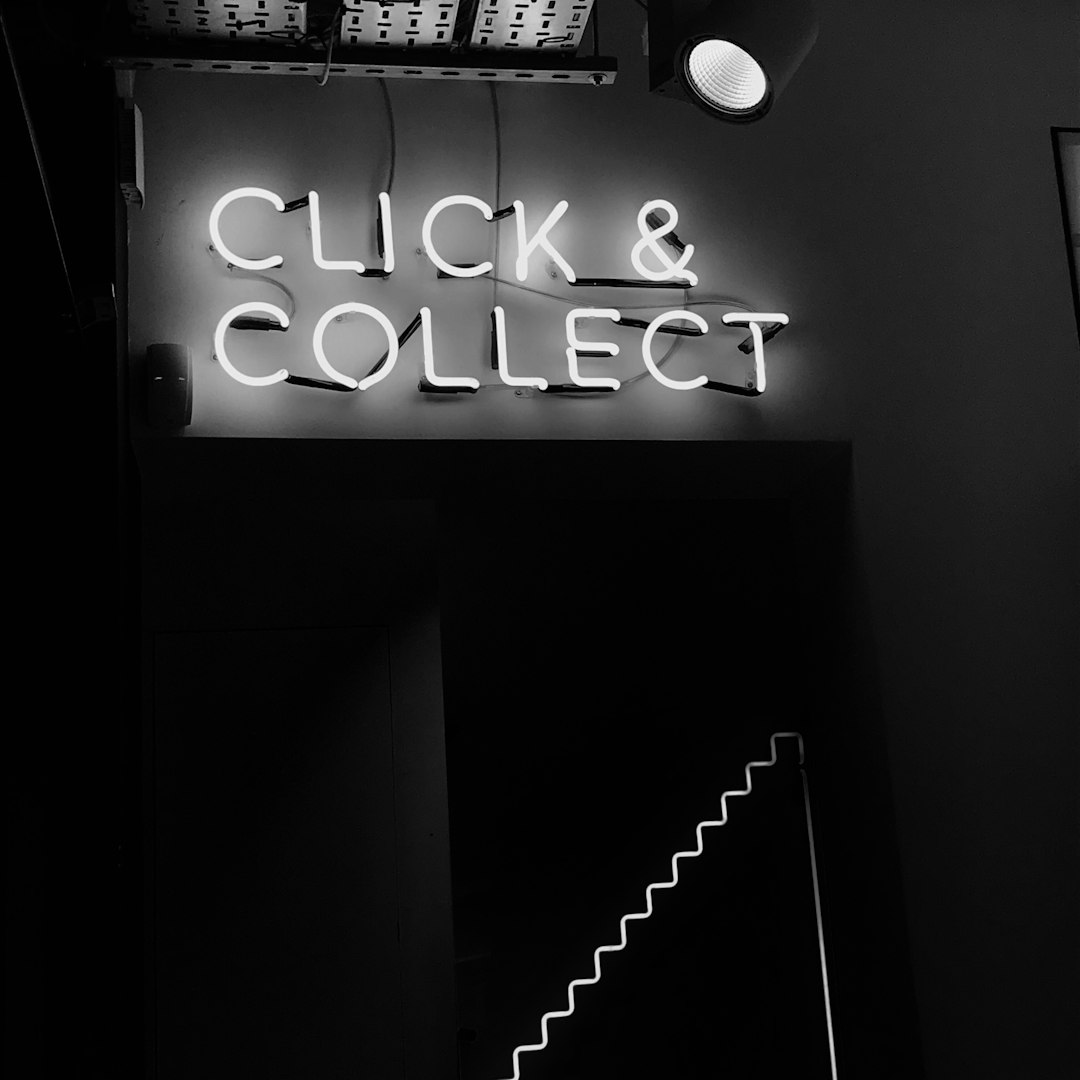
Click.
Read.
Submit.
Repeat.
For many students, this has become the dominant rhythm of university study. Log in to the LMS. Browse pages that seem more like relics from the late 90s than modern learning spaces. Scroll through text-heavy content. Download a PDF. Upload an assignment. Move on.
A rhythm built for compliance, not for curiosity. A cycle that is efficient and measurable. Yet deeply limiting for learning.
When learning is reduced to transactions, it’s no surprise that students engage strategically rather than meaningfully. The issue isn’t the LMS itself, but what occurs when it’s assumed to be the central platform through which learning takes place.
If we want students to do more than click and submit, we need to design learning that invites them to listen, watch, and think. That invites them to move through that learning in ways that reflect how understanding actually develops.
Listen: Learning That Moves With Students
Listening changes the tempo of learning.
Podcasts and audio resources let students explore ideas while walking, commuting, or going about their daily routines. Learning no longer needs a desk, a screen, or a dedicated, uninterrupted block of time. Instead, it becomes something that can accompany the learner everywhere.
For students balancing work, caring responsibilities, or long commutes, this flexibility is important. But it also has cognitive benefits. Audio demands a different kind of attention. It slows things down. Tone, emphasis, and pauses carry meaning. Complex ideas can seem more approachable when spoken rather than silently read.
Listening does not substitute reading; it complements it. It provides an alternative avenue for students to engage with ideas independently.
Watch: Breaking Big Ideas into Meaningful Moments
Let me first say that watching is not the same as sitting through a long lecture recording.
While full-length videos have their place, they often recreate the very issues they aim to address. Long recordings require continuous focus, rely on reliable access to time and bandwidth, and make it hard for students to revisit specific ideas.
Micro-lecture videos differ in how they work. Short, focused, and intentional, they highlight key ideas instead of overwhelming students with too much at once. A five-minute video explaining a single concept can be more powerful than an hour-long recording trying to cover everything.
These videos also foster layered engagement. A student might watch a longer session first, then revisit micro-lectures to clarify or revise. Others may start small, building confidence before tackling more complex material. Watching becomes an active process of sense-making, not a passive act of endurance.
Think: Seeing Ideas, Not Just Reading Them
Thinking often requires seeing.
Some concepts are relational. They involve connections, contrasts, processes, and tensions. Asking students to hold all of this in their heads through text alone can be unnecessarily challenging.
Infographics and visual representations help make thinking visible. They illustrate how ideas connect, highlight patterns, and encourage discussion instead of limiting it. A well-designed visual doesn’t oversimplify thinking; instead, it can significantly aid it.
For students who learn visually or spatially, these visual tools can be transformative. For others, they serve as scaffolds, making complex discussions clearer and easier to remember. Thinking becomes something students can see, question, and revisit.
Beyond One Way of Learning
Students have diverse learning styles, which can differ depending on the topic. Strategies effective for one concept might not be suitable for another. Similarly, what benefits one student may not necessarily benefit another.
Providing learning through various media forms — audio, video, text, visuals — does not dilute academic standards. It reflects reality. It recognises that learners come with different backgrounds, strengths, and ways of processing information.
Many of these ideas align with principles of Universal Design for Learning (UDL), especially regarding offering multiple means of engagement and representation. UDL is a significant and well-established framework that warrants careful and deliberate consideration on its own. However, this piece is not an argument about UDL.
Instead, it is about resisting the default of a single LMS-bound mode of learning and recognising that students already learn by listening, watching, and visualising ideas in their daily lives. Whether framed through UDL or not, the core question remains: are we creating learning environments that encourage meaningful engagement, or are we asking students to just click their way through content?
Navigation Matters: When Access Becomes a Barrier
Just as important as what we design is how students move through it.
Too often, LMS environments are structured as gated pathways. Progress is restricted by completion requirements. Students must click through pages, watch content, or answer a quiz before they can move forward. In some cases, they have to repeat this process just to revisit material they have already covered.
This can create a sense of structure and offer measurable progress. However, it also introduces friction, and not the kind that supports learning. When access becomes a barrier, students do not persist out of curiosity. Instead, they work around it.
A student trying to revisit a concept from the previous week should not have to navigate a series of locked pages or redo a quiz just to find what they need. Content should be searchable, accessible, and easy to return to. Learning is rarely straightforward, and our systems shouldn’t force it to be.
Ironically, overly restrictive LMS design can drive students away from using the LMS entirely. They start searching externally. Not because they want to broaden their understanding, but out of frustration. While independent exploration is valuable, it should be driven by curiosity and a desire for depth, not by barriers within the learning environment itself.
If we want students to explore beyond the course, it should be because the learning invites it, not because the system obstructs it.
Designing for flexibility isn’t just about offering various media formats. It’s also about enabling students to progress through learning in ways that reflect how understanding truly forms: revisiting, skipping ahead, looping back, and making connections over time.
The LMS as Container, Not Centre
This is not an argument for abandoning the LMS. It still plays an important organisational role. But it should be a container, not the centre of learning.
When learning is designed around clicking, reading, and submitting, it becomes procedural. When we design for listening, watching, thinking, and movement through learning, it becomes something entirely different.
It becomes active.
It becomes flexible.
It becomes human.
The challenge is not technological. It is pedagogical.
If we want students to think deeply, reflect critically, and engage meaningfully, then our learning environments need to do more than ask them to click.
They need to invite them
To listen.
To watch.
To think.
And to move.
Reflection Questions
- When students engage with your unit, are they primarily clicking, reading, and submitting? Or are they being encouraged to listen, watch, and think?
- What media forms do you currently use, and how could introducing audio, short-form video, or visual representations alter student engagement with key ideas?
- How easily can students revisit content in your LMS? Are there barriers that prioritise progression over understanding?
- When students look beyond your LMS for answers, is it driven by curiosity or by frustration with how the content is structured and accessed?
- If you took a step back and experienced your unit as a student, would it seem like a series of tasks to finish or a learning journey to move through?
Latest Posts
- Beyond Four Walls: Rethinking Learning Spaces in Higher Education

- The Assessment Illusion: Why Precision in Grading is a Myth

- Innovation in Higher Education: Beyond Technology and Buzzwords
- The LMS Divide: Should Online and In-Person Students Have Different Access?

- Teaching as Performance vs Teaching as Design