
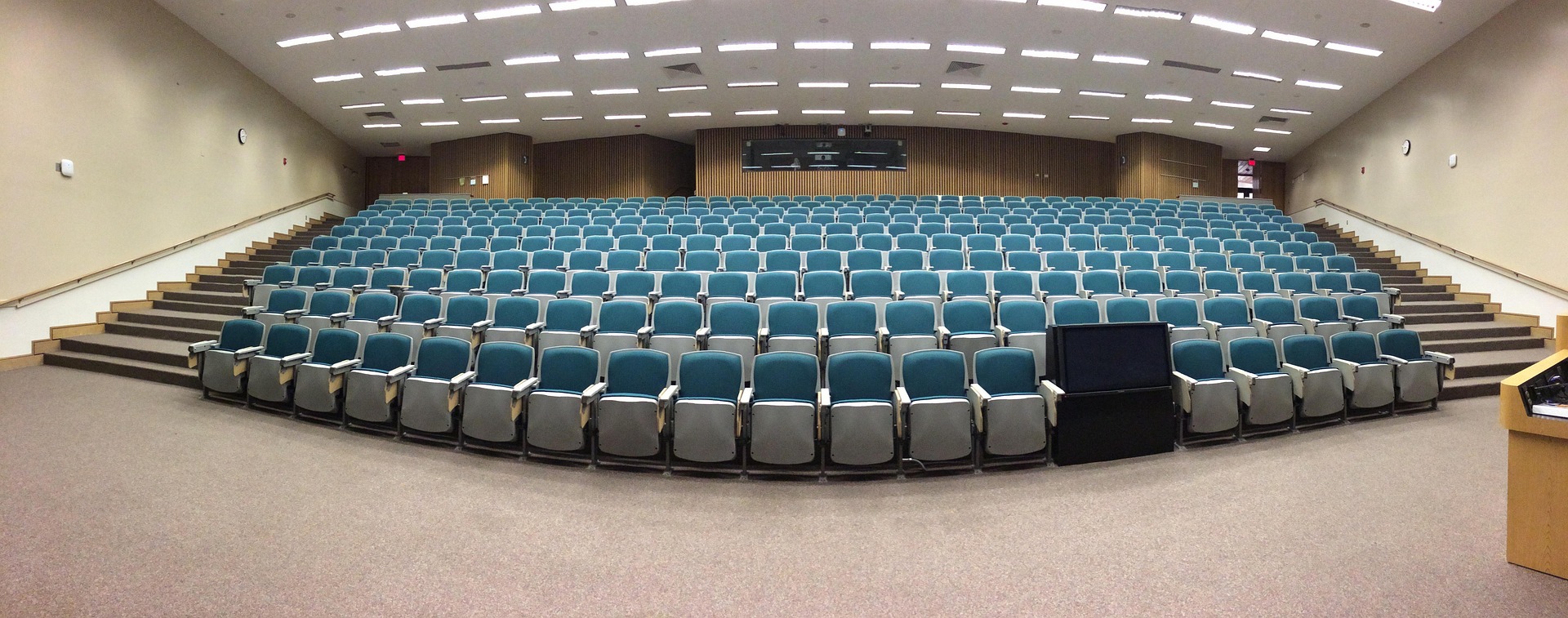
Attendance policies have long been a point of contention in higher education. For some institutions, enforcing attendance is seen as a vital measure to ensure students remain engaged, connected, and on track. For others, such mandates are outdated remnants of schooling that prioritise compliance over genuine learning. At the centre of the debate lies a bigger question: does mandating attendance truly encourage learning, or does it simply equate being present with participating?
The Evidence: Attendance and Learning Outcomes
Research consistently shows that a student’s attendance correlates with their performance. A recent study published in Science Advances found that students who attended classes more regularly achieved higher academic outcomes, with the strongest effects seen among lower-performing students.
Attendance can also act as an early-warning indicator, helping institutions identify students at risk of disengagement or failure. Yet correlation does not equal causation. Students who attend are often those already motivated or supported to succeed. Simply forcing students into a classroom does not guarantee they will engage with the material or with each other. We must be cautious not to consider presence as the same as participation.
Autonomy and Motivation
Mandatory attendance raises critical questions about student autonomy. As argued in Times Higher Education, universities may be overlooking the motivational power of autonomy, which can be a stronger driver of engagement than compulsion.
This aligns with findings from psychology and education. The Science Advances study also showed that when students were given the option to “self-impose” attendance requirements, most chose to make it mandatory for themselves. They then attended more consistently than peers subjected to a top-down rule of attendance. The key wasn’t the rule itself, but the choice.
This resonates with Alfie Kohn’s long-standing critique in Punished by Rewards, which argues that external controls such as penalties or rewards undermine intrinsic motivation. In other words, the more we force attendance, the less students may want to be there.
The Case Against Blanket Policies
There are valid arguments in favour of requiring attendance. Regular class presence supports community-building, fosters equity for less experienced learners, and helps detect early disengagement. For first-year students adjusting to university life, this structure can be particularly valuable.
But blanket, one-size-fits-all policies come with costs. They can unfairly penalise students with work, family, or health responsibilities, reinforcing inequities rather than reducing them. They risk prioritising compliance over genuine engagement. And they can undermine the trust between students and educators, signalling that students are not capable of making responsible decisions for themselves.
Higher education faces a balancing act: how do we create learning environments that encourage cooperation without veering into coercion?
Designing for Participation, Not Just Presence
The real challenge is not simply getting students into the room, but making their time there valuable. When classes are designed as interactive, participatory spaces, whether through active learning, problem-solving, or discussion, students are far more likely to see attendance as worthwhile.
Several strategies offer middle paths between rigid mandates and laissez-faire approaches:
- Choice-based attendance: Allow students to commit to their own attendance plan, which fosters accountability without removing autonomy.
- Flexible allowances: Build in “free absences” or alternative participation modes to account for the realities of student lives.
- Incentives over penalties: Instead of docking grades, reward consistent participation with opportunities for leadership, priority in group selection, or bonus learning activities.
- Transparency: Clearly explain why attendance matters in each course. Students are more likely to show up when they understand the value of being there.
- Data for support, not punishment: Use attendance patterns as early-warning indicators for outreach and student support, rather than disciplinary action.
Beyond Attendance: Towards Meaningful Engagement
Underlying the attendance debate is a deeper philosophical question: what do we consider the purpose of higher education? If our goal is to produce independent thinkers capable of managing their own learning, then blanket attendance policies send a contradictory message. Autonomy, trust, and responsibility are as important to cultivate as content knowledge. Attendance should be an invitation into meaningful participation and learning, not a compulsory checkbox.
Conclusion
Attendance is important, but mandatory attendance isn’t a cure-all. Evidence shows that students benefit from being present, yet autonomy and choice are equally strong motivators. When we shift from focusing on attendance to emphasising participation, we move the discussion away from mere compliance and towards genuine engagement, trust, and meaningful learning.
The key question isn’t just about students attending, but whether they are motivated to attend. Ultimately, this responsibility lies with us as educators.
Questions for Reflection
1. How does your own institution currently approach attendance, and what assumptions underlie that policy?
2. When has mandatory attendance helped students in your context, and when has it hindered them?
3. What might a more autonomy-supportive attendance model look like in your discipline or classroom?
4. How can we design learning experiences that make students want to attend, rather than feel compelled?
5. If attendance is a proxy for engagement, what other indicators might we use to measure true participation?