Generative AI has forced higher education into a renewed conversation about assessment, which has been long overdue. Universities and educators are now asking familiar assessment questions with urgency: What exactly are we assessing? How do we recognise evidence of student thinking? And what does authentic learning look like when polished outputs can be generated in seconds?
The creative arts are not outside this conversation. In many ways, they are right in its path. Tools that generate images, scripts, music, and video have raised important questions about authorship, creativity, and originality. Creative fields are also dealing with what AI can produce and how this changes creative work and student projects.
Yet within this challenge lies an opportunity. Instead of solely searching for completely new assessment solutions, we might also consider looking sideways across disciplines. Different fields have developed their own traditions for making learning visible, shaped by the nature of their practice.
The creative arts represent one such tradition. Not as a model to imitate outright, but as a long-established practice that emphasises drafts, portfolios, dialogue, and iteration. These methods aim to capture something that many disciplines are now rethinking: learning is often most evident in the process, not just the final product.
Making learning visible through process
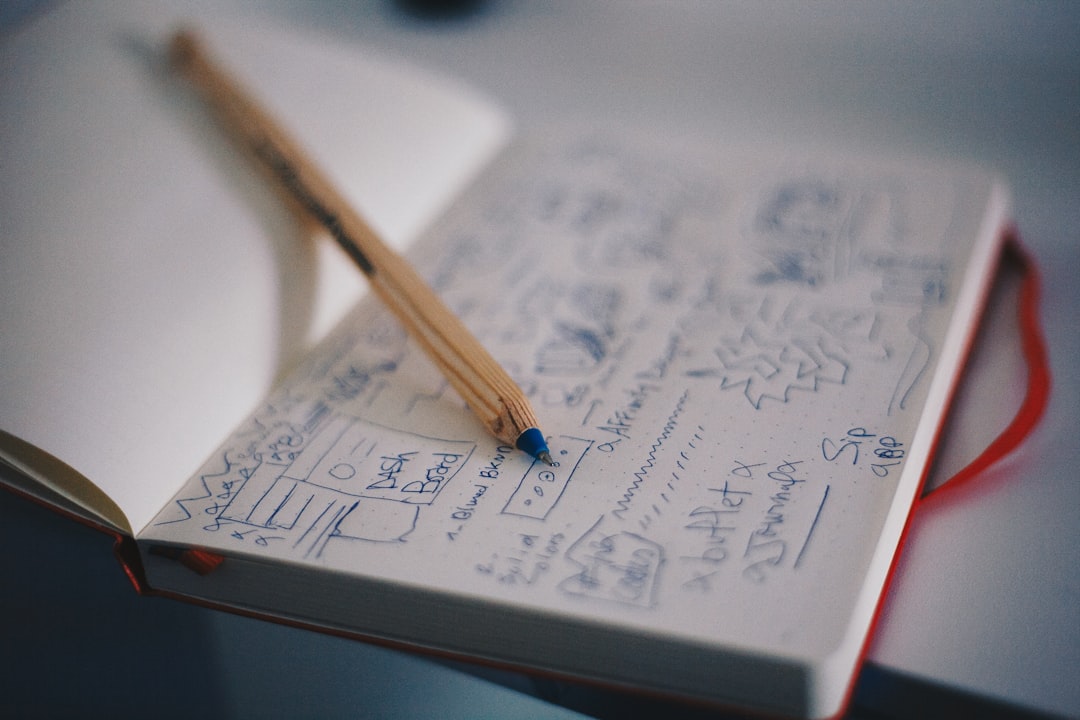
In many creative disciplines, assessment has historically focused on the learning process as well as the final outcome. Portfolios, working drafts, sketches, storyboards, rehearsal notes, and design journals often play a central role in assessment practices.
These artefacts demonstrate how ideas evolve over time. Early concepts develop, some paths are dropped, others are refined, and students are encouraged to explain why these choices were made. In Screen Media education, for instance, a storyboard can reveal more about narrative thinking than the final video itself. It shows how scenes were planned, how pacing was considered, and how visual storytelling was organised before production even begins.
This focus on process reflects the nature of creative work itself. Creative practice rarely follows a straight path. Ideas are tested, challenged, and reshaped through repetition. Learning becomes evident not just in the final artefact, but in the progression between versions.
Process does not mean less rigour
Process-oriented assessment is sometimes misunderstood as being less demanding or less precise than traditional approaches. In reality, it often requires more from students. When learners submit portfolios that include drafts, annotations, and revised concepts, they must explain their decisions, justify their revisions, and reflect on the constraints they faced. They are expected to demonstrate reasoning, judgement, and adaptability.
In many ways, this reflects professional practice. Designers document iterations, filmmakers work through storyboards and production notes, architects refine plans through multiple drafts. The final outcome is important, but the thinking that shaped it is equally significant. Recognising this thinking within assessment encourages students to engage more deeply with their own decision-making. It shifts the emphasis from simply producing an answer to understanding how that answer was developed.
Dialogue as part of learning
Another key aspect of creative arts learning environments is dialogue. Studio critiques, in-class presentations, peer feedback sessions, and collaborative discussions are often central to the development of ideas. Students share their thoughts, explain their intentions, and respond to questions from peers, educators or industry. Through these conversations, concepts change. A classmate’s suggestion may alter a narrative. A question from a tutor might uncover a gap in a design.
These moments matter because they make thinking visible. Students are not only showing what they have produced, but how they reason about their work, how they respond to critique, and how their ideas change through interaction. In a time when AI-generated outputs raise questions about authorship, these dialogic spaces remind us that learning often happens through explanation, challenge, and revision.
Learning from what didn’t work
Creative disciplines have also become comfortable with the idea that not every idea succeeds. Failed experiments, abandoned concepts, and reworked drafts are common parts of creative learning environments. Importantly, these moments are not simply discarded; they are examined. Students are asked why an idea did not work, what assumptions proved incorrect, and what might be approached differently next time.
In many instances, these reflections provide some of the most valuable evidence of learning. They demonstrate experimentation, critical thinking, and a readiness to take intellectual risks. They indicate that learning is not just about reaching the right answer, but about understanding how ideas develop. Encouraging students to reflect on unsuccessful approaches can also foster curiosity and exploration rather than just rewarding polished outcomes.
The opportunity for interdisciplinary exchange
Perhaps the most significant opportunity here isn’t in directly adopting creative arts practices, but in creating spaces for cross-disciplinary exchange. Professional learning that brings educators from different fields together can spark valuable conversations about how learning is evidenced. A studio-based educator discussing assessment with a scientist who uses lab notebooks may discover unexpected similarities. A design portfolio might share common ground with engineering project logs or reflective professional journals.
Each discipline has its own traditions shaped by its practices and values. The creative arts have a long history of working through iteration, dialogue, and visible processes. Other disciplines have equally rich traditions of evidence, precision, and analytical rigour. When these perspectives come together, new opportunities for assessment design can arise.
At a time when universities are reconsidering how learning is recognised, these conversations may become increasingly valuable. By exchanging practices across disciplines, educators can continue to refine how learning is supported and made visible. Not just through what students produce, but through how their thinking evolves along the way.
Reflection questions
- Where does student thinking currently become visible in your discipline? and where might key parts of the learning process still be hidden?
- How might drafts, revisions, or early-stage thinking be incorporated into assessment in ways that support deeper learning?
- What role does dialogue currently play in your classroom, and could these conversations form part of the evidence of learning?
- How are unsuccessful ideas, false starts, or abandoned approaches treated within your discipline’s learning culture?
- What opportunities exist for interdisciplinary professional learning where educators can share assessment practices and learn from one another?
Latest Posts
- Beyond Four Walls: Rethinking Learning Spaces in Higher Education

- The Assessment Illusion: Why Precision in Grading is a Myth
- Innovation in Higher Education: Beyond Technology and Buzzwords
- The LMS Divide: Should Online and In-Person Students Have Different Access?

- Teaching as Performance vs Teaching as Design