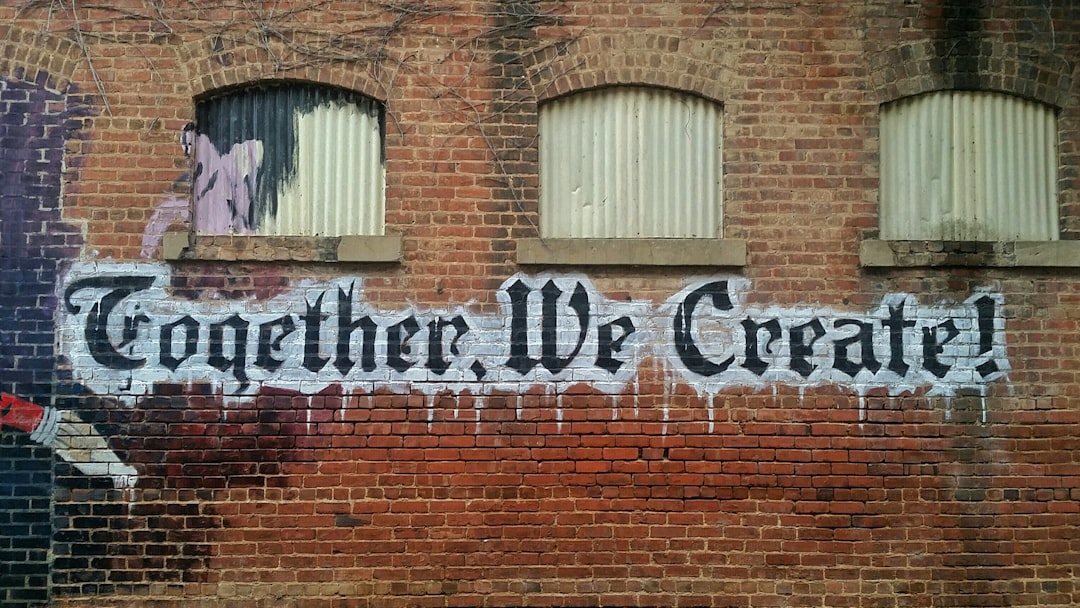
Creativity Is a Capability, Not a Discipline
In higher education, we often speak about creativity as though it belongs to particular disciplines, media, design, and the creative arts. Creativity does not belong to a single faculty, it is a core capability every graduate should develop. If universities exist to prepare graduates for complex, uncertain futures, then creative opportunity cannot sit at the margins of the institution. It must be structurally embedded and equitably accessible. This is not simply about innovation. It is about equity.
When access to professional creative tools and facilities is unequal, so are learning opportunities. Some students graduate fluent in digital storytelling, visual communication, multimedia production, and rapid prototyping, while others leave without ever engaging with creative industry-standard tools. The difference is rarely talent, rather it is an issue of access.
Software Access Changes Curriculum Possibility
Providing institution-wide access to platforms, such as Adobe Creative Cloud, changes the curriculum landscape. When academics know that every student has access to professional creative tools, including support and resources, this can also enable assessment design shifts. New approaches to assessment could emerge across disciplines not typically labelled as “creative”.
A community development student might produce a podcast that amplifies local voices or documents lived experiences. An education student could create an interactive poster or short instructional video to communicate complex pedagogy. A business student might design a digital campaign prototype complete with visual assets and a multimedia pitch presentation. An engineering student could develop a visual explainer video or interactive infographic to communicate complex systems to non-technical audiences.
In each case, the discipline remains intact, the knowledge is rigorous and applied, but the mode of expression expands. Creative assessment becomes viable and scalable when the infrastructure is available, reliable and supported. Without universal access, creativity becomes optional, dependent on personal subscriptions, discipline silos or informal workarounds. It often relies on students and staff sourcing free alternatives, navigating limited trial versions, or teaching themselves unfamiliar tools without structured support. This can lead to frustration, inconsistent quality and inequitable learning experiences. Ultimately, it undermines both pedagogical ambition and educational equity.
Creative Spaces as Cross-Disciplinary Infrastructure
Software alone, however, is not enough. Creative ecosystems need space. Universities require makerspaces that include access to resources like 3D printing, podcast and media booths, collaborative digital labs, and flexible creative zones open beyond scheduled classes.
When these spaces are centrally supported and accessible across disciplines, they signal that creativity belongs to everyone. They create conditions for hack days and innovation challenges, and they support the development of micro-courses and micro-credentials in digital storytelling, 3D modelling or media production. Students gain skills outside their primary discipline and bring them back into their core learning. This is how cross-disciplinary capability is cultivated.
Case Study: A Whole-of-University Commitment
A powerful contemporary example can be seen at Swinburne University of Technology, whose partnership with Adobe demonstrates what institution-wide commitment can achieve. Swinburne has embedded Adobe Creative Cloud Pro Plus as a standard resource available to all staff and learners, not just those in creative disciplines. This positions creative capability as a graduate attribute rather than a niche skill.
Importantly, the initiative is supported by Adobe Digital Coaches who provide mentoring, workshops and drop-in assistance. Through its Education Innovation Lab, Swinburne is also exploring how creative technologies, including generative AI, can be embedded meaningfully into curriculum design. This approach integrates access, support and strategic intent.
The model illustrates that universal access establishes equity, AI-enabled tools can be integrated proactively to build digital fluency, and staffed support models are essential for sustainable curriculum transformation. Creative technology is not simply licensed, it is embedded within strategy, pedagogy and support structures.
Support Makes Infrastructure Meaningful
Infrastructure without support becomes symbolic. If software is available but academics lack confidence to use it pedagogically, assessment remains unchanged. If creative spaces exist but are poorly staffed or difficult to access, they remain underutilised.
Institutional commitment must therefore include dedicated support staff, professional learning for academics, clear pathways for student access and explicit alignment with graduate capabilities. When academics know that students have both the tools and the support to use them, they can design more authentic and ambitious assessments. A community development student completing a podcast outside the classroom becomes entirely feasible, not because the lecturer is exceptionally creative, but because the institution has made creativity structurally possible.
Creative ecosystems extend learning beyond discipline boundaries. Students can participate in hack days, undertake micro-credentials in podcast production or digital communication, and collaborate across faculties. These experiences foster presence on campus and cultivate belonging. They encourage students to see the university not as a place to “bump in and out,” but as a site of creation.
A Strategic Imperative
If creativity remains siloed, inequity deepens. Students in well-resourced disciplines flourish, while others face constrained assessment and limited exposure to contemporary tools. We risk designing safe assessments instead of authentic ones. We risk under-preparing graduates for dynamic professional environments. Creativity is not just an activity to enrich, but a fundamental capacity that supports innovation, communication, and adaptability.
Creativity should not depend on discipline, privilege or personal subscription. If we believe in preparing graduates who can shape the future rather than simply navigate it, then creative opportunity must be universal, structurally supported, strategically embedded and accessible to all.
The question for leadership across higher education institutions is not whether creative tools are valuable. It is whether institutions are prepared to treat creativity as infrastructure. Whole-of-university licensing models, supported creative spaces, embedded professional learning and cross-disciplinary micro-credential pathways are strategic decisions, not peripheral enhancements. When these elements align, creativity becomes embedded, rather than incidental. When creativity is embedded, students do not simply consume knowledge. They create with it.
Reflection Questions
- Do all students at our institution have equitable access to professional creative software and facilities?
- How might universal access to tools like Adobe Creative Cloud reshape assessment design across disciplines?
- Are our creative spaces centrally supported and staffed, or are they symbolic additions?
- What cross-disciplinary initiatives could emerge from stronger creative infrastructure?
- If creativity is a graduate capability, how explicitly is it embedded in our institutional strategy?
Latest Posts
- Beyond Four Walls: Rethinking Learning Spaces in Higher Education

- The Assessment Illusion: Why Precision in Grading is a Myth

- Innovation in Higher Education: Beyond Technology and Buzzwords
- The LMS Divide: Should Online and In-Person Students Have Different Access?

- Teaching as Performance vs Teaching as Design